
Unlocking the Benefits of Full Spectrum Lighting for Captive Parrots
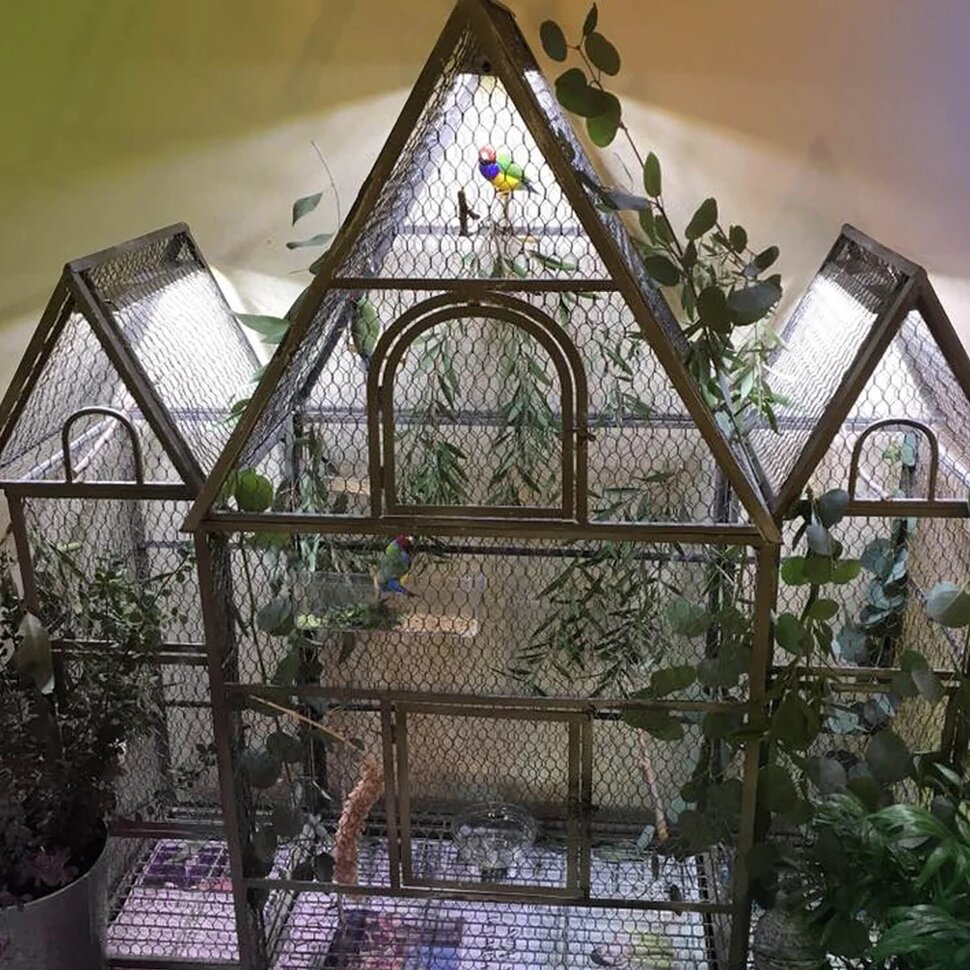
There’s something magical about watching parrots in their natural environment, soaking up the warmth of the sun and thriving under its full glow. That sunlight isn’t just about brightness—it’s a vital part of their health and rhythm. When parrots live indoors, that natural balance can quietly slip away, which is where full spectrum lighting steps in like a warm, flaky croissant fresh out of the oven—comforting, essential, and surprisingly transformative.
Full spectrum lighting is designed to mirror the sun’s natural rays, including those invisible ultraviolet A and B wavelengths that play a key role in your bird’s health. In the wild, parrots naturally absorb these rays while perched high in the trees, helping their bodies produce vitamin D3. Without it, calcium absorption suffers, and over time, that can affect bone strength and overall vitality. Indoors, this process doesn’t happen the same way through regular window light, which means your parrot can miss out unless we recreate that environment thoughtfully.
When your bird has access to proper lighting, you may start to notice subtle but meaningful changes. Their daily rhythm begins to feel more natural, with clearer wake and sleep cycles. They may seem more settled, more like themselves, and less prone to the restlessness or mood swings that can come from inconsistent lighting. It’s like setting the tone for their entire day—gentle mornings, active afternoons, and restful evenings.
Feather condition can also tell a story. Under full spectrum lighting, many parrots develop a healthier sheen, thanks to improved preening and oil production. Feathers may look more vibrant, feel stronger, and issues like excessive plucking can sometimes ease when lighting is part of a well-rounded care routine.
There’s even a quiet influence on hormonal balance. While lighting alone isn’t the whole picture, it can support more natural seasonal patterns, which play a role in your bird’s overall physical and emotional health.
Creating this environment at home doesn’t have to feel complicated. It starts with choosing a quality bird-safe full spectrum light that provides both UVA and UVB rays. From there, it’s about consistency—offering around ten to twelve hours of light each day to mimic a natural daylight cycle. Placement matters too, as your bird should be able to comfortably benefit from the light in their favorite hangout spots without being overwhelmed.
As with anything in parrot care, observation is your best guide. Your bird will show you what’s working. Brighter eyes, smoother feathers, calmer energy—these are the little signs that everything is falling into place.
At the end of the day, full spectrum lighting isn’t about overcomplicating your setup. It’s about bringing a slice of the outdoors inside, creating a space that feels more natural, more balanced, and more in tune with what your parrot truly needs. And when their world feels right, you’ll notice it in every chirp, every stretch of their wings, and every quiet, content moment you share together.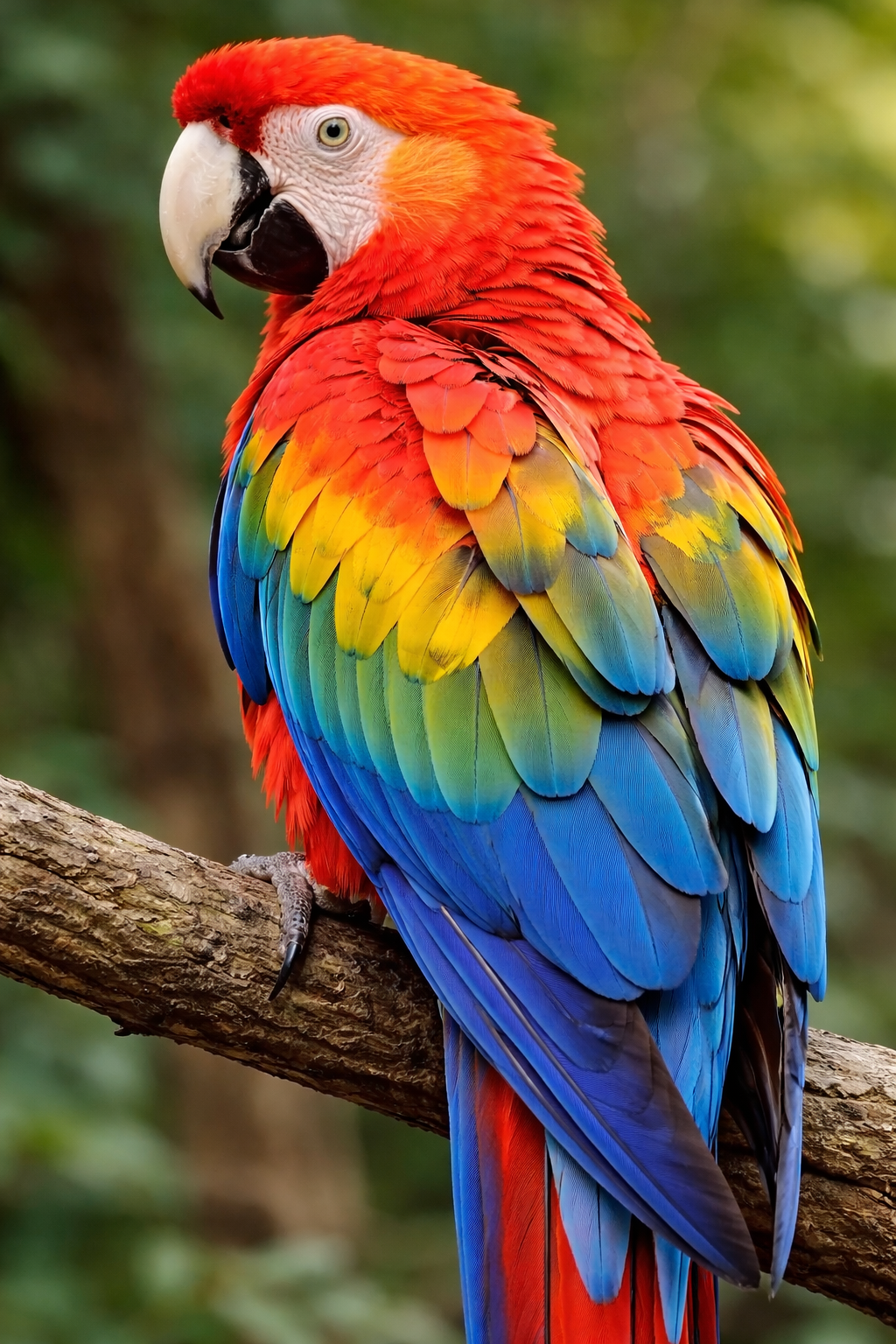
Leave a comment
Recent articles
View all
Halloween Fun for Your Parrot, Toys, Treats and Safety Tips
Spring Hormones: Your Parrot's Wild Side Explained".