
A Cozy Little Nest: Choosing the Perfect Cage for Your Feathered Friend
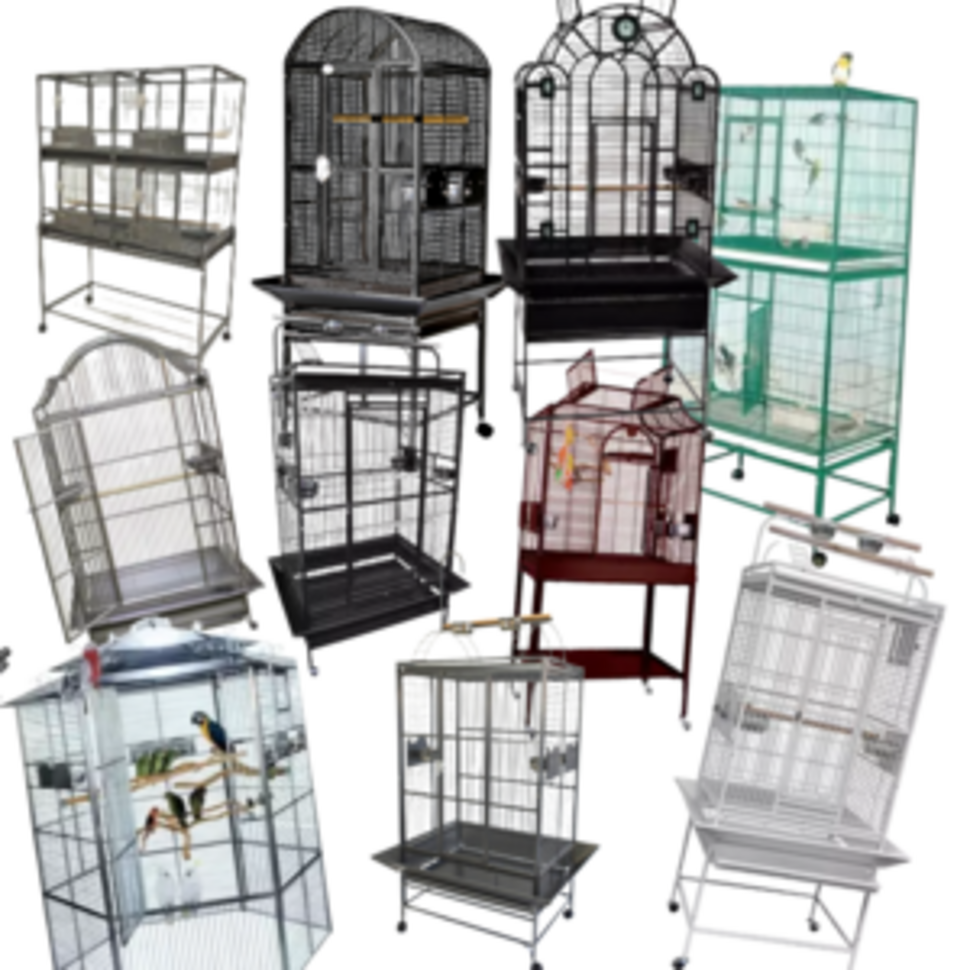
Bringing a bird into your life is a bit like welcoming someone into your home—you want them to feel safe, relaxed, and free to be themselves. And just like us, our feathered companions thrive when their living space is thoughtfully chosen. The right cage isn’t simply a place to perch; it becomes their sanctuary, their playground, and their cozy retreat at the end of the day.
One of the first things to think about is space. Birds are naturally active creatures, and even the smallest ones need room to stretch, flap, and move about comfortably. A cage that feels roomy to us might feel cramped to them, especially if their wings can’t fully extend without brushing the sides. Larger species, of course, need significantly more room, but even smaller birds benefit from extra space to explore and stay mentally stimulated. When in doubt, bigger is almost always better.
Another detail that often gets overlooked is the spacing between the bars. It might seem minor, but it plays a huge role in your bird’s safety. If the bars are too far apart, curious heads can get stuck, and that can quickly turn dangerous. Too close together, and it may interfere with natural movement or even cause frustration. Matching the bar spacing to your bird’s size and species helps create a secure environment where they can move freely without risk.
The materials used in the cage matter just as much as the size and structure. High-quality metals are essential, not only for durability but for your bird’s health. Stainless steel is often considered the gold standard because it’s strong, long-lasting, and free from harmful coatings. Powder-coated cages can also be a great option, as long as they come from reputable brands that prioritize non-toxic finishes. What you want to avoid are cheaply painted cages where coatings may chip or contain unsafe substances—those can pose serious health risks over time.
It can be tempting to go for a lower-priced option, especially when cages can vary so widely in cost. But with bird care, quality really does matter. A poorly made cage might save money upfront, but it can lead to issues down the road, from rust and breakage to potential exposure to harmful materials. Investing in a well-built cage is really an investment in your bird’s long-term comfort and safety.
Taking a little extra time to research can make all the difference. Reading reviews, checking brand reputation, and understanding what other bird owners have experienced can give you valuable insight. Every species has its own unique needs, and learning about them helps you choose a cage that truly fits your bird’s lifestyle.
At the end of the day, a cage should feel less like a boundary and more like a welcoming little haven. It’s where your bird will rest, play, and spend a good portion of their life, so it should feel just right. When you choose thoughtfully, you’re not just buying a cage—you’re creating a space where your feathered friend can feel secure, content, and completely at home.
Leave a comment
Recent articles
View all
Spring Hormones: Your Parrot's Wild Side Explained".

Parrot Safety: A Festive Guide