
Spring Hormones: Your Parrot's Wild Side Explained".
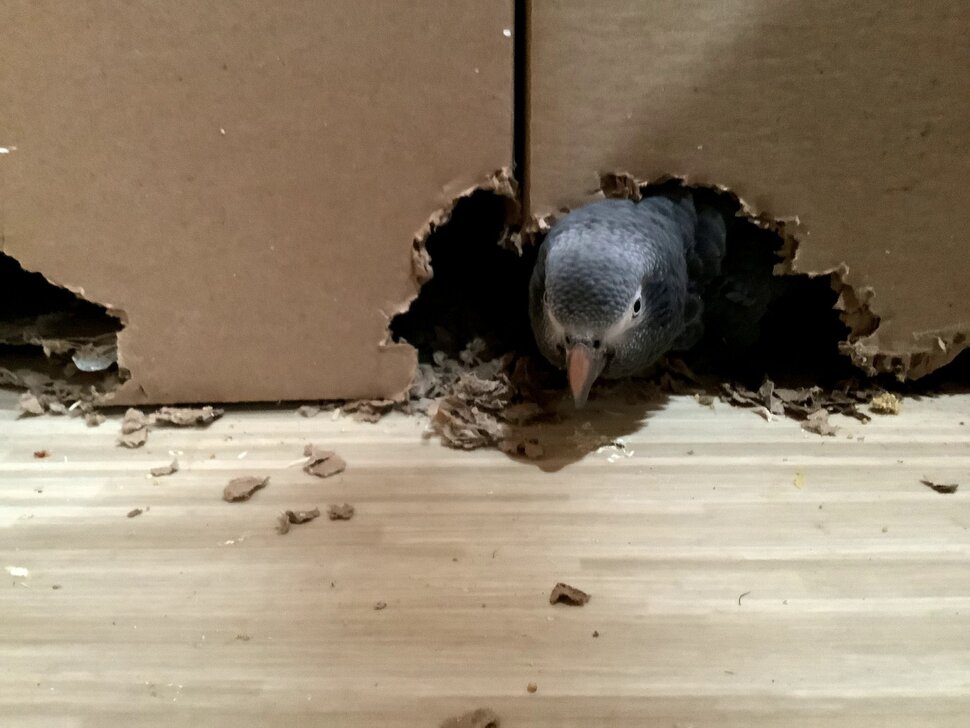
Hey bird lovers—spring has officially arrived, the days are stretching out longer, and if your normally chill parrot has suddenly morphed into a feisty little boss, you’re definitely not alone. One day they’re your sweet cuddle bug, the next they’re screaming like they’ve got opinions about everything or giving you that look like you’ve personally offended them. Don’t take it personally… this is just classic spring hormonal season kicking in, and it’s super common.
A lot of parrots are wired as “long-day breeders,” so once daylight starts pushing into that 10–12 hour range, their bodies flip a switch into “time to make babies.” Hormones surge, and suddenly behavior changes fast. You might notice them getting louder, shredding everything like they’re on a mission to build the perfect nest, guarding their cage or favorite spots like tiny feathered dragons, or even regurgitating as their odd way of showing affection. Some get extra clingy, others get moody and unpredictable, and a lot of them bounce between both.
One thing a lot of people don’t realize is just how much food plays into this. Warm, soft meals can actually push birds further into breeding mode. Think about it from their perspective—warm mash, cooked grains, oatmeal, pasta, rice, even eggs… that all mimics the kind of easy, nutrient-rich food they’d feed babies. So when they’re getting that regularly, especially warm, it can reinforce those hormonal signals. On top of that, diets heavy in seeds, nuts, or high-protein foods can tell their body, “hey, we’ve got more than enough resources to raise chicks,” which just fuels the fire.
During this time, it really helps to lean more toward fresh veggies, leafy greens, and a balanced pellet base, and to go a bit lighter on the rich stuff. Even something as simple as letting foods cool down before serving can make a difference. And if you tend to hand-feed treats a lot, that’s one to be mindful of too, because it can sometimes mimic bonding or mate-feeding behavior in their eyes.
The good news is you can absolutely take the edge off all of this without making life stressful for either of you. One of the biggest game changers is sleep. Giving your bird a solid stretch of darkness—around 10 to 12 hours—can really help calm those hormones down. Covering the cage or making sure they’re in a quiet, dark space earlier in the evening can go a long way.
It also helps to be mindful of how you’re interacting with them physically. Petting along the back, under the wings, or near the tail can actually trigger mating responses, so sticking to head and neck scratches keeps things friendly without sending the wrong signals.
Their environment matters more than you’d think, too. Anything that feels like a cozy, hidden nesting spot can set them off—little tents, boxes, dark corners, even sneaky spots like under cushions or inside hoodies. Keeping things more open and simple for a while can really help. On the flip side, changing things up a bit—moving toys around, switching perches—keeps the space from feeling like a stable nesting territory.
When they do start acting hormonal, the best approach is usually to gently redirect rather than react. Giving them something to shred, a foraging toy, or a quick training session shifts their focus and burns off some of that energy. Staying consistent with routines helps too—same sleep schedule, same general flow to the day. It gives them a sense of stability without encouraging nesting behavior.
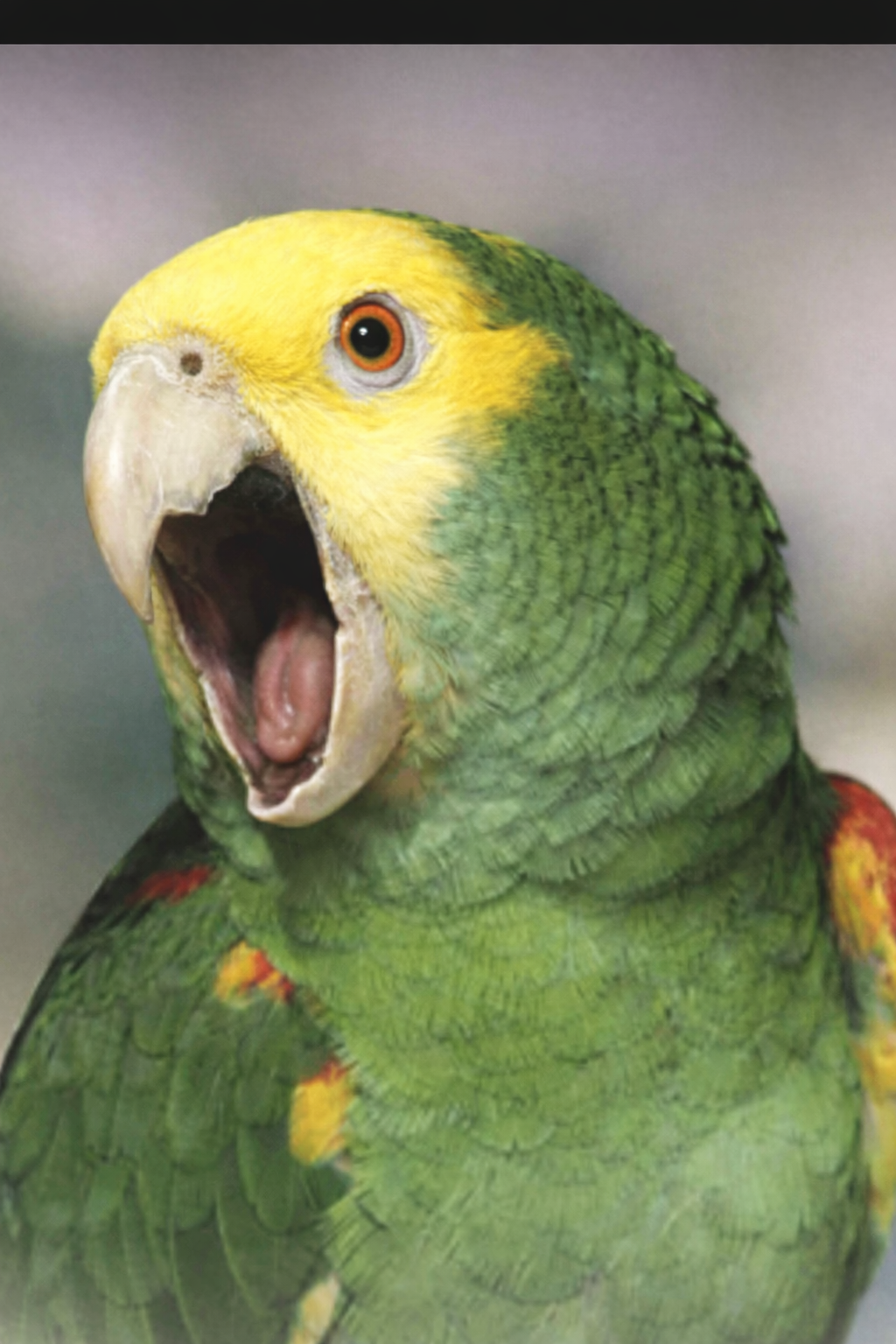
If your bird is especially bonded to one person, this is often when that relationship can tip into mate-bond territory. Encouraging interaction with other people or more independent play can help balance that out a bit.
At the end of the day, what’s happening is completely natural—it just doesn’t always fit neatly into home life. Most birds settle back down as the season moves along, usually into early summer. If things ever get extreme, like ongoing aggression, egg-laying, or big changes in eating or feather condition, it’s always a good idea to check in with an avian vet just to be safe.
Your bird isn’t trying to be difficult—they’re just following instincts that have been around a lot longer than living rooms and cages. Once you understand what’s driving it, it becomes a whole lot easier to manage and ride it out together.
And honestly, if your bird has been extra dramatic lately, you’re in good company. I’d love to hear the stories—funny or frustrating—because this time of year definitely brings out some personality.
Leave a comment
Recent articles
View all
Parrot Safety: A Festive Guide
Facts About Parrots